The journey · 2020
The chain years.
From 2020, Atakan Özalan learned blockchain from the inside.
He studied the algorithms, ran mining and created NFT collections, including ArcheMonsters.
Along the way he built communities that grew and earned together.
From 2020 · Blockchain, mining, NFT collections and communities
He came to blockchain the way he came to games: by taking the machine apart. From 2020 he studied the algorithms, ran mining, and set up nodes on test networks to see how a chain actually reaches agreement.
To understand NFTs, reading about them was not enough. He created collections of his own, to learn how a project works from the smart contract to the community around it. That experience made him an advisor to other NFT projects.
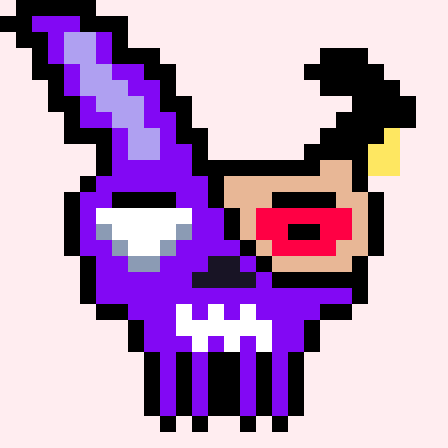
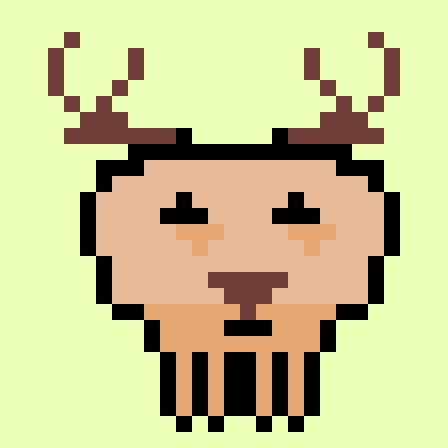
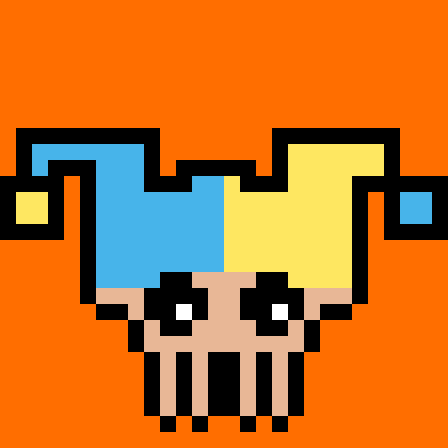
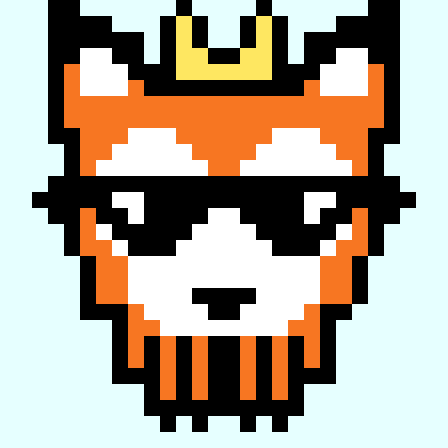
One of those collections is ArcheMonsters, co-created with his partner and published on Ethereum in September 2021: 220 pixel-art monsters in which archetypes are symbolised as wild anima personas. They made it to understand minting first-hand, and how a mint project is built from start to finish. It also brought together two things he had studied for years: archetypes and the symbolism of myth.
Around the work he built and managed NFT and mining communities: people who learned together, grew together and earned together. He also traded across many chains, and learned each one by using it.
A guide for the next first-timer
In October 2022 he wrote one of those lessons down. His guide to running a node on Zeeka Network's Chaos testnet, in Turkish and still on GitHub, was written, as he says in its first lines, by someone setting up a node for the first time, for the next person doing the same. It recommends a rented server over a home computer, because of the electricity and the storage a node needs, and walks through every step on a fresh Linux server: the build tools, Rust, compiling the network's Bazuka client from source, keeping it running in a screen session, and starting the node with its own seed.
The most useful part is the end: the screens people worry about. The guide shows what happens when you type into the running terminal by mistake (nothing; the logs keep scrolling), says that a heartbeat error can be ignored for now, explains that values stuck at zero usually mean a wrong IP address, Discord name or port, shows how to check a node with one status command, and closes by inviting questions on the project's Discord and Telegram groups. It is the same habit as the communities around it: learn the thing by running it, then make the next person's first run easier.
The ezagor.com lore remembers the period as nodes across testnets, mining rigs humming in the dark and Discord channels full of patience. What he kept from it is the technology, the market and the craft of building a community.